Estructuras
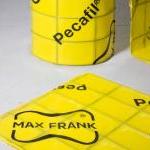
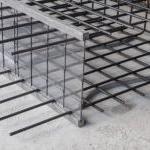
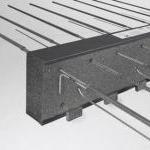
Egcobox®. Conexión para losas en voladizo
Separación térmica de losas en voladizo de hormigón armado

Cálices Ksumon®. Encofrado perdido para conexión de pilares prefabricados
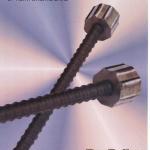
BPI BUTTONHEAD
Manguito de terminación mediante prensa que utiliza piezas octogonales de prensado en anclaje de barras de acero
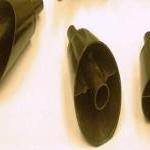
MOLDE DE POSICION Y CUÑAS (LADO ACTIVO)
Molde de posición (lado activo). El molde de posición se ubica en el lado contrario que los anclajes pasivos clavado al parapastas para posteriormente al hormigonado retirarlo de manera que podamos tensar el cable. Exiten moldes con un grado de inclinación para permitir una fijación idónea al encofrado.
Cuñas. Una vez retirado el molde de posición se introducen verticalmente dos cuñas que nos permitirán tensar el cable.
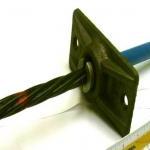
ANCLAJES DEL CABLE POSTENSADO (LADO PASIVO)
Anclaje común (lado pasivo). La pieza de anclaje pasivo habitualmente viene dispuesto en el cable o tendón desde fábrica y debe fijarse convenientemente con la ayuda de unas armaduras de acero corrugado de refuerzo.
Se trata del lado desde el cual no se va a estirar el tendón.
Este modelo no deberá utilizarse si la obra se encuentra en zona de ambiente marino o de ambiente agresivo. En este caso usaremos el anclaje encapsulado.
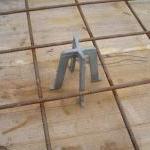
SILLAS (SEPARADORES)
Para la correcta disposición del cable se utilizan sillas o separadores de diferentes alturas para conseguir la curvatura necesaria del cable según el diseño de Proyecto.
CABLES O TENDONES
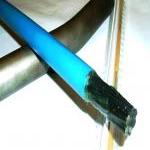
Cables o tendones no adheridos monofilamento de 7 alambres para la ejecución de losas postensadas mediante el sistema no adherido EDING PT STRAND.
